Safe Independent Living for Seniors and Veterans
- angelbowen09
- Sep 25
- 3 min read
As we age, the desire for independence often remains strong. For seniors and veterans, maintaining a sense of autonomy is crucial for mental and emotional well-being. However, safety concerns can make independent living challenging. This blog post will explore practical strategies and tips to ensure safe independent living for seniors and veterans.
Understanding the Importance of Safety
Safety is a top priority for anyone living alone, especially for seniors and veterans. As we age, our bodies change, and certain tasks can become more difficult.
Physical Limitations: Seniors may experience reduced mobility, vision changes, or other health issues that can impact daily activities.
Mental Health: Veterans may face unique challenges, including PTSD or anxiety, which can affect their ability to live independently.
Recognizing these factors is the first step toward creating a safe living environment.
Home Modifications for Safety
Making modifications to the home can significantly enhance safety. Here are some practical changes to consider:
1. Remove Tripping Hazards
Clear Clutter: Keep walkways clear of furniture, shoes, and other items.
Rugs: Remove or secure loose rugs to prevent falls.
2. Install Grab Bars
Bathroom Safety: Install grab bars in the shower, bathtub, and near the toilet. These provide support and stability.
Stairways: Consider adding grab bars along stairways for extra support.
3. Improve Lighting
Brighten Up: Ensure all areas of the home are well-lit. Use bright bulbs and consider motion-sensor lights for hallways and staircases.
Night Lights: Place night lights in bedrooms, bathrooms, and hallways to prevent falls during the night.
Technology for Enhanced Safety
Technology can play a vital role in promoting safety for seniors and veterans. Here are some tools to consider:
1. Medical Alert Systems
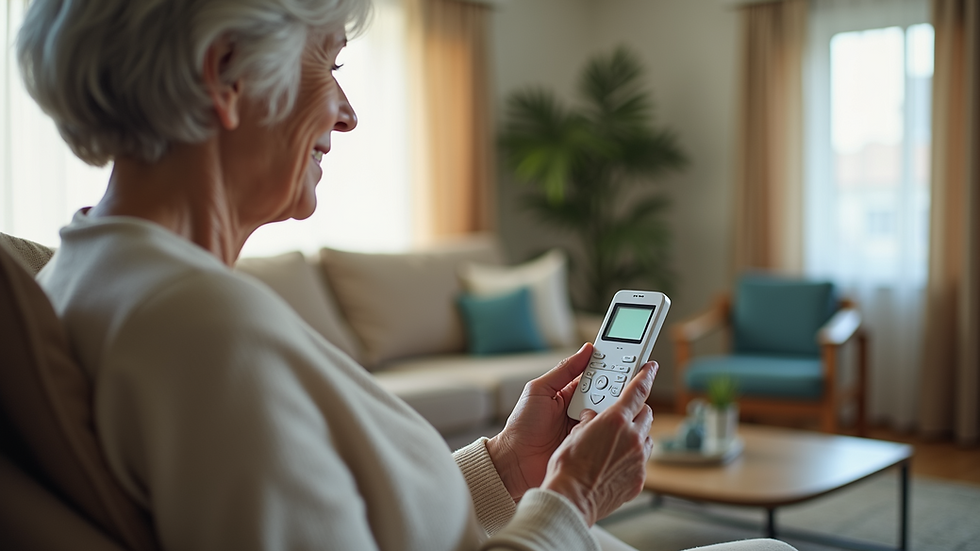
Emergency Response: These systems allow individuals to call for help with the push of a button.
Wearable Devices: Some devices can detect falls and automatically alert emergency services.
2. Smart Home Devices
Voice-Activated Assistants: Devices like Amazon Echo or Google Home can help seniors control lights, make calls, or set reminders without needing to move around.
Smart Thermostats: These can help regulate home temperature, ensuring comfort and safety.
Community Resources and Support
Many communities offer resources to help seniors and veterans live safely and independently. Here are some options to explore:
1. Local Senior Centers
Activities and Programs: Senior centers often provide social activities, exercise classes, and educational programs.
Support Services: Many centers offer resources for transportation, meal delivery, and health screenings.
2. Veteran Support Organizations
Counseling Services: Organizations like the VA provide mental health support tailored to veterans.
Home Care Assistance: Some programs offer home care services to help with daily tasks.
Creating a Support Network
Having a support network is essential for safe independent living. Here are ways to build and maintain connections:
1. Family and Friends
Regular Check-Ins: Encourage family and friends to check in regularly, whether through phone calls or visits.
Shared Responsibilities: Family members can help with grocery shopping, home maintenance, or transportation.
2. Neighbors
Community Connections: Building relationships with neighbors can create a sense of community.
Neighborhood Watch: Consider joining or forming a neighborhood watch program to enhance safety.
Staying Active and Engaged
Staying active is crucial for both physical and mental health. Here are some ways to remain engaged:
1. Physical Activity
Exercise Classes: Look for local classes designed for seniors, such as yoga or tai chi.
Walking Groups: Join or form a walking group to encourage regular exercise and social interaction.
2. Hobbies and Interests
Pursue Passions: Encourage seniors and veterans to engage in hobbies they love, whether it’s gardening, painting, or reading.
Volunteer Opportunities: Volunteering can provide a sense of purpose and connection to the community.
Emergency Preparedness
Being prepared for emergencies is vital for safety. Here are steps to take:
1. Create an Emergency Plan
Identify Contacts: Make a list of emergency contacts, including family, friends, and local services.
Practice Drills: Regularly practice emergency drills, such as fire or evacuation plans.
2. Emergency Kit
Essential Supplies: Prepare an emergency kit with water, non-perishable food, medications, and first aid supplies.
Keep it Accessible: Ensure the kit is easily accessible in case of an emergency.
Conclusion: Embracing Independence with Confidence
Safe independent living for seniors and veterans is achievable with the right strategies and support. By making home modifications, utilizing technology, and building a strong support network, individuals can maintain their independence while ensuring their safety.
Remember, it is essential to stay engaged, active, and prepared for emergencies. With these steps, seniors and veterans can embrace their independence with confidence and peace of mind.

Comments